Case Studies Engineering for Playable Futures
We document our projects not as trophies, but as field reports. Each case study is a snapshot of a specific technical challenge, the constraints we navigated, and the tangible outcomes delivered for our partners.
Below, you'll find a curated selection of work across hyper-casual, puzzle, and strategy genres. Each entry includes a breakdown of the problem space, our method for evaluating solutions, and the trade-offs we accepted to ship on time.
The Method Note
All performance data is captured on a controlled device farm (Samsung A50, iPhone 11, Pixel 4). We benchmark against baseline engine metrics (e.g., Unity's 2022 LTS). "Success" is defined by hitting client-specific FPS/PU budgets, not general claims.
Performance Under Pressure
A Turkish esports publisher needed a lightweight battle royale prototype for market validation. The critical constraint: 60 FPS on 5-year-old smartphones with 100 concurrent players in a single match.
Key Constraint
- • Target Device: Snapdragon 660 (c. 2018)
- • Network: 4G unstable, < 100ms latency
- • Budget: Fixed, non-negotiable
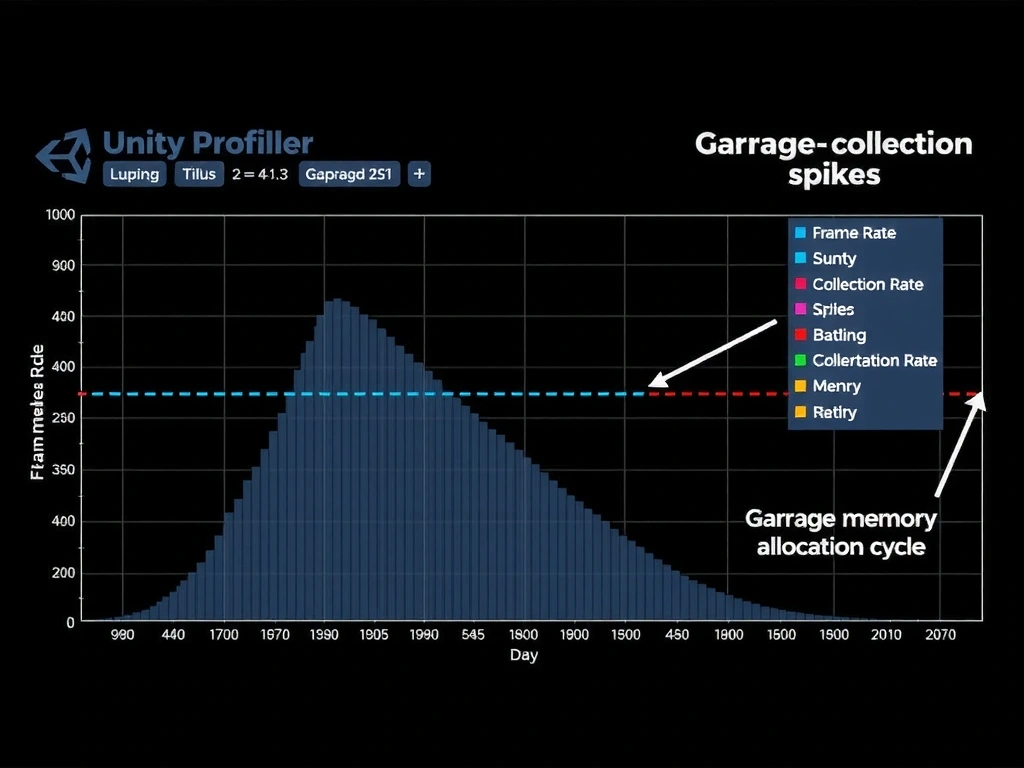
Early network sync tests revealed periodic 500ms freezes. The culprit: Unity's default RPC calls were creating massive garbage collection (GC) pressure under load.
void SendPosition(Vector3 pos)
{
RPC("UpdatePlayerPos", pos);
}
// Allocates new data packet each call
void SyncPlayerState(StateBuffer buffer)
{
buffer.WriteDelta(ref lastPos, newPos);
}
// Writes to pre-allocated memory pool
Result: The prototype secured full production funding. Trade-off accepted: A stylized, low-poly art style to maintain visual clarity on low-end hardware.
Common Pitfall: Garbage Collection Blindness
The Trap
Using `Instantiate()` or `new()` in high-frequency update loops (like every frame for 100 players).
Why It Fails
Causes unpredictable GC spikes. On mobile, this freezes the frame, not just drops it.
How We Avoid
Object pools for network messages. Pre-allocation before match starts. Profiling with `Memory Profiler` package weekly.
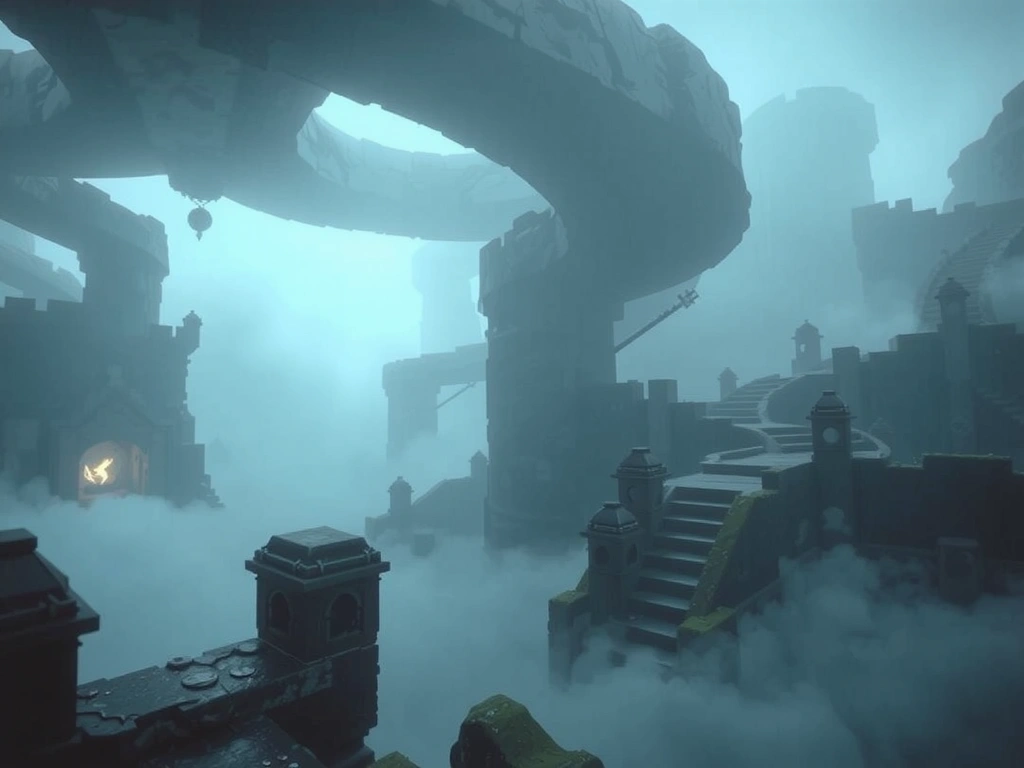
The Puzzle of the Lost Kingdom
Mythic Tales · 12-month timeline · 500k+ Q1 downloads
Balancing Narrative & Performance
An indie publisher needed a cross-platform puzzle game with a non-linear story. The challenge: complex narrative logic (branching choices, item states) on low-end Android devices, targeting a 12-month development cycle.
Our solution was to prototype the core puzzle mechanic with paper and ink first—no code. This validated the "aha" moment in a week. Technically, we built a lightweight state-management system in Unity, decoupling narrative logic from the rendering loop.
"Gamelyx's paper prototype saved us months of rework. They understood our story first, then built the tech to support it."
— Lead Designer, Mythic Tales
Trade-off: We sacrificed some visual polish in early scenes to ensure the 60fps target was never breached during tense narrative moments.
The 3-Stage Art Pipeline
Concept & 2D
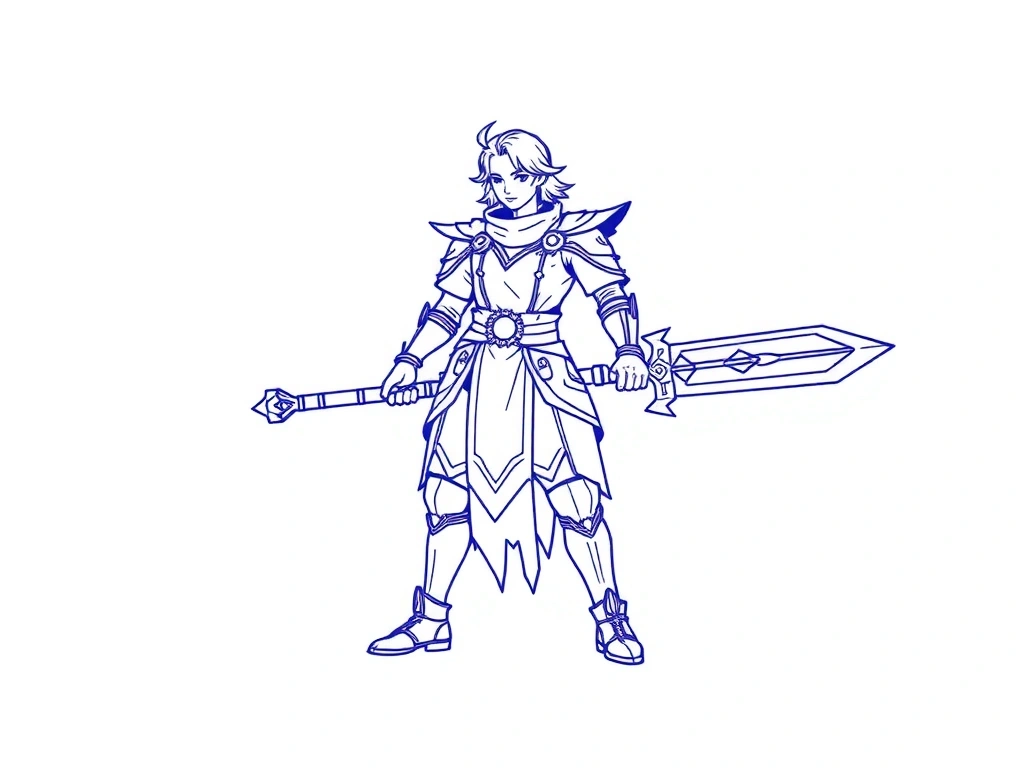
Paper prototypes and digital sketches. Focus on silhouette and readable shapes.
3D Asset Creation

Custom Blender scripts for automated UV unwrapping. Prep time cut by 60%.
In-Game Optimization

Every asset passes a 'performance budget' check. Texture Atlas Baking reduces draw calls.
What Changed Our Mind: The Asset Iteration
The Scenario
A key character model had 7 iterations. The final version was 30% higher polygon count than initially budgeted.
The Decision
We accepted the higher polygon count because the silhouette was dramatically more readable from a distance, a critical need for our puzzle game.
This decision was only possible because we had a fixed buffer in our overall performance budget. It highlights our rule: data over dogma. If a creative decision improves playability, we adjust the technical plan, not the vision.
The Indie Publisher's Dilemma
We've analyzed common failure points in indie game development. Here is how we frame solutions as strategic trade-offs, not magic fixes.
"We have a great idea, no technical team."
Solution: Technical Co-Founder package.
Trade-off: Higher initial cost for dedicated, consistent engineering vs. hiring freelancers per feature.
"Our game runs poorly on target devices."
Solution: Performance-First audit.
Trade-off: Early focus on constraints may limit visual ambition vs. chasing a "perfect" look first.
"We need to iterate, but current studio is slow."
Solution: Agile Sprint model (playable builds every 2 weeks).
Trade-off: Requires active client participation vs. a "set it and forget it" handoff.
"We're unsure about monetization."
Solution: Integrated analytics & A/B tested ad placement from day one.
Trade-off: Early game design may be influenced by metric loops vs. pure artistic vision.
Ready to define your project's constraints?
We start every engagement with a discovery call focused on your specific technical and creative boundaries. This page represents our thinking; your case study will be next.
Start a Discovery Call